.svg)
.svg)
.svg)
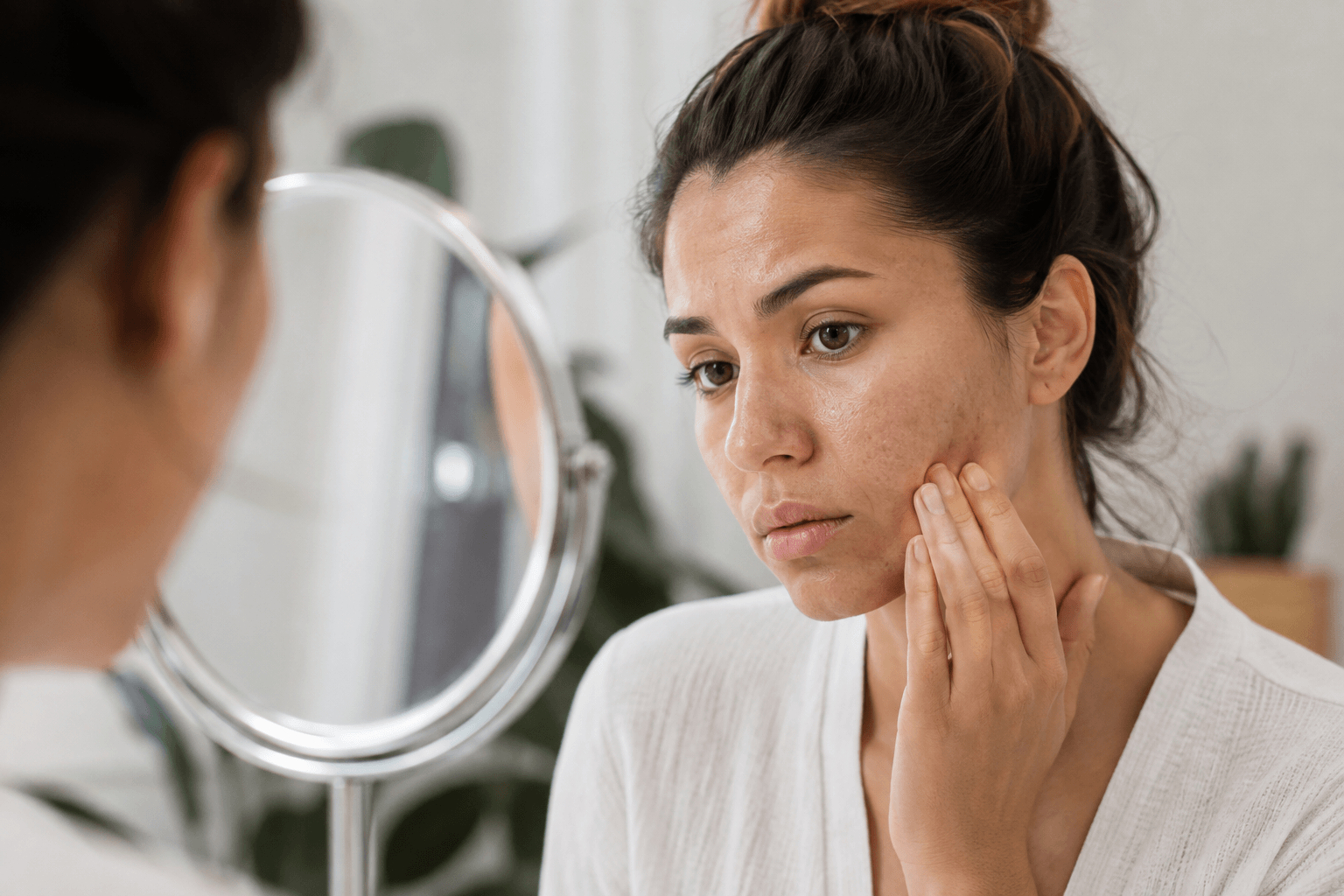
If you have spent months layering serums, switching cleansers, and swearing off sugar, only to look in the mirror and still see dullness, rough patches, or leftover acne marks, you are not imagining it. Skin texture problems rarely respond to surface level fixes alone. They usually come from deeper changes in how skin cells turn over, and that is exactly the kind of concern a professional chemical peel is built to address.
At Snug Aesthetics in Fort Worth, Texas, we see this concern constantly from clients who feel like their skincare routine has hit a wall. Below, we will walk through what is actually happening underneath that rough or uneven texture, why it happens, and how a peel like BioRePeel can help reset your skin without the weeks of visible peeling that scare people away from this treatment altogether.
What Causes Uneven Skin Texture and Tone?
Skin texture changes for a lot of reasons, and most of them build up slowly enough that you do not notice until the damage is already visible.
Is Sun Exposure Really That Big of a Factor?
Yes, and it is often the biggest one. According to the American Academy of Dermatology, ultraviolet exposure is responsible for the majority of visible skin aging, including rough texture, dark spots, and broken down collagen. Even daily incidental sun exposure, like the walk from your car to the office, adds up over years.
Can Acne Leave Lasting Texture Damage Even After Breakouts Clear?
Absolutely. Active breakouts cause inflammation, and inflammation damages the collagen and elastin fibers that keep skin smooth. Once a pimple heals, it can leave behind a shallow indentation, a rough patch, or a stubborn dark mark that lingers for months.
Why Does Skin Get Rougher With Age?
Cell turnover slows down as we get older. In your twenties, skin cells regenerate roughly every 28 days. By your forties, that process can stretch to 45 days or more, which means dead skin cells sit on the surface longer, creating a dull, uneven feel.
Does Dehydration Affect Texture Too?
It does. Dehydrated skin loses its plumpness, which makes fine lines, pores, and texture irregularities look more pronounced. Combine that with dry Texas air for part of the year and it is easy to see why so many Fort Worth residents notice texture changes that seem to appear out of nowhere.
When Should You Consider a Professional Treatment Instead of At Home Products?
At home retinoids and exfoliating acids can help maintain skin, but they are formulated at lower strengths for safety, which means they often are not powerful enough to resolve texture that has already become a visible concern. If you have tried consistent at home care for several months without meaningful change, or if you are dealing with acne marks, sun damage, or rough patches that products alone cannot touch, that is usually the sign it is time for something stronger.
This is where in office exfoliation treatments come in, and it is worth understanding how they differ from a traditional deep peel.
What Makes BioRePeel Different From a Traditional Chemical Peel?
Traditional chemical peels have a reputation, and not always a flattering one. Many people picture red, visibly peeling skin and a week of hiding indoors. That reputation keeps a lot of people from ever trying a treatment that could genuinely help them.
Chemical peels have come a long way, and BioRePeel is a good example of that shift. It is a 30 percent TCA based peel formulated to work from the inside out, which means it encourages cell renewal and collagen support without the heavy, visible skin peeling associated with older formulas. Most clients walk out with a healthy glow rather than flaking skin, which is a major reason this treatment has become popular for people who cannot take a week off to recover.
What Skin Concerns Can This Type of Peel Improve?
This peel is commonly used to address:
- Acne and acne related texture irregularities
- Sun damage and uneven pigmentation
- Early signs of aging, including fine lines and loss of radiance
- Rough or congested texture that feels resistant to home care
Is It Suitable for Most Skin Types?
One of the advantages of this formulation is that it is designed to be gentle enough for most skin types, which is not always true of stronger traditional peels. That said, a proper consultation is still important, since everyone's skin history and sensitivity are different.
What Should You Expect During and After Treatment?
A typical session is quick, often completed within thirty to forty five minutes, and does not require numbing since discomfort is minimal. Your provider will cleanse the skin, apply the peel in layers, and monitor how your skin responds throughout the process.
Will You Need Downtime?
This is usually the first question people ask, and the honest answer is that most clients experience little to no visible downtime. You might notice mild redness immediately afterward, similar to a light flush, but it typically fades within a few hours. There is no expectation of visible peeling in the days that follow, which makes this an easy treatment to schedule around a normal week.
How Many Sessions Will You Need?
Results build over a series of treatments, and your provider will recommend a schedule based on your specific concerns. Many clients start with one treatment a month for several months, then shift to quarterly maintenance once they reach their goals.
How Soon Will You See Results?
Some clients notice a brighter, smoother appearance within a day or two, while deeper texture and tone improvements tend to develop over the following weeks as cell turnover continues.
How Do You Know If You Are a Good Candidate?
Good candidates are generally people dealing with acne, sun damage, dullness, or early texture concerns who want visible improvement without extended recovery. It is not typically recommended for active skin infections, certain skin conditions, or during pregnancy, so a consultation is the best way to confirm it is right for you.
If you are also dealing with deeper concerns like acne scarring or more significant skin laxity, your provider may recommend pairing a peel with a treatment like RF microneedling for more comprehensive results.
Why Fort Worth Skin Faces Its Own Set of Challenges
Texas weather is not gentle on skin. Between long stretches of intense sun, high humidity in the summer, and dry indoor heat in the winter, Fort Worth residents deal with a unique combination of environmental stress that accelerates texture issues and pigmentation. Add in outdoor lifestyles, from weekend trips to the Stockyards to time spent at Fort Worth's many parks and trails, and consistent sun exposure becomes almost unavoidable. That is exactly why professional exfoliation and skin renewal treatments tend to be so effective for people living in this climate.
Not Ready to Commit to a Full Facial Treatment Plan Yet?
You do not have to figure this out alone. A consultation at Snug Aesthetics gives you a clear, honest read on what is actually causing your texture concerns and whether a peel, a facial, or a combination approach makes the most sense for your skin.
Frequently Asked Questions
Does a chemical peel hurt? Most clients describe a mild tingling or warming sensation rather than real pain. Peels like BioRePeel are designed to be comfortable enough that numbing is not typically needed.
How is this different from a facial? A facial focuses on cleansing, hydration, and general skin maintenance, while a chemical peel is specifically formulated to exfoliate deeper layers of skin and stimulate renewal, making it more effective for texture, tone, and acne related concerns.
Can I wear makeup after treatment? Since there is minimal visible downtime, most clients can return to their normal routine, including light makeup, within a few hours, though your provider may recommend waiting until the following day depending on your skin's reaction.
Will one treatment fix uneven texture completely? A single session can improve radiance, but meaningful texture and tone changes typically require a series of treatments spaced over several weeks.
Is this treatment safe for sensitive skin? Many sensitive skin types tolerate this peel well because of its gentler formulation, but a consultation helps determine the right approach for your specific skin.
The Not So Final Word on Getting Your Glow Back
Uneven texture is not something you have to accept as permanent, and it is definitely not something you have to solve with an overflowing skincare cabinet. If dullness, rough patches, or lingering acne marks have been bothering you, a conversation with a professional is the fastest way to figure out what your skin actually needs. Snug Aesthetics is here to help Fort Worth, Texas residents get real answers and real results, updated for August 2026 and beyond.