.svg)
.svg)
.svg)
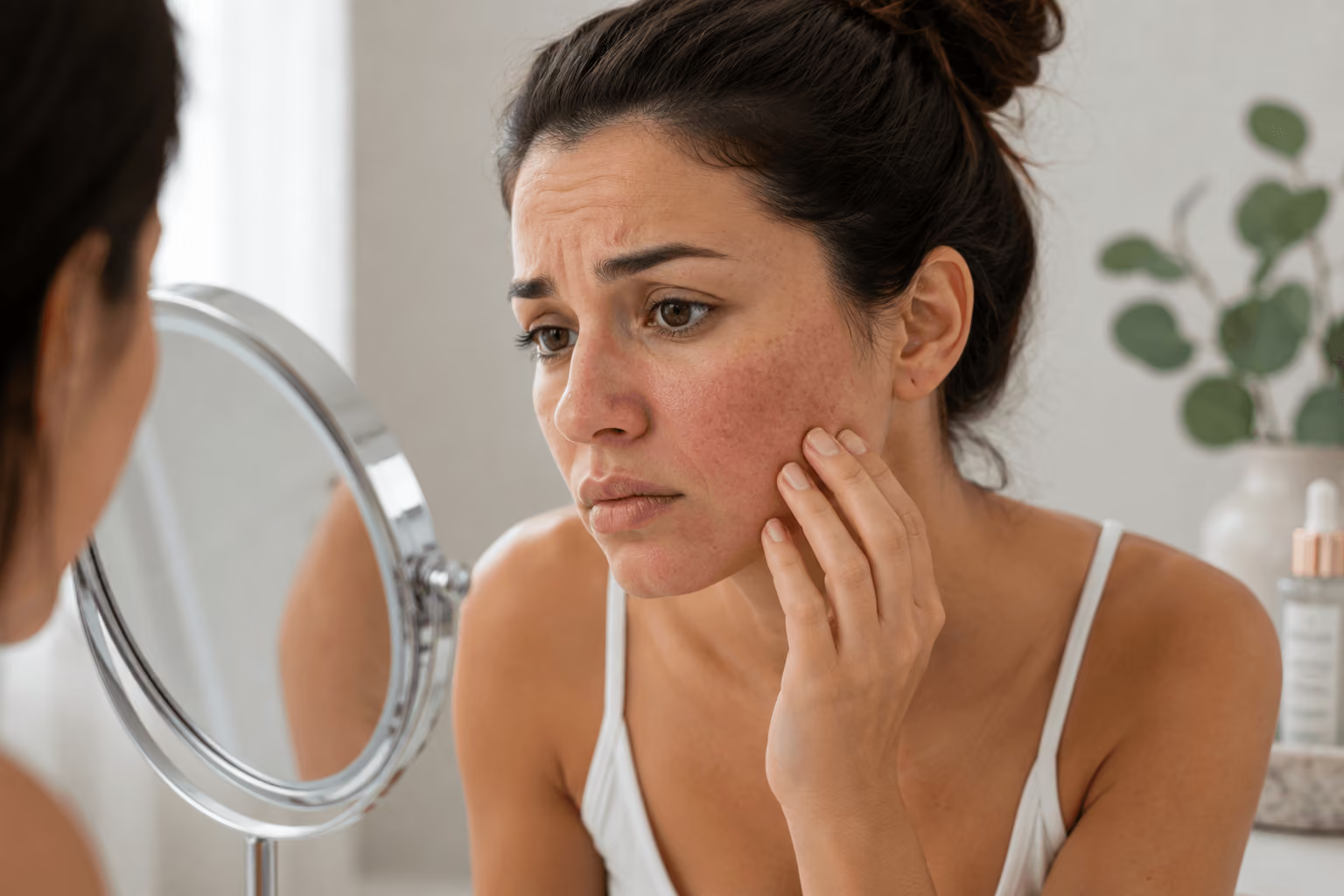
You stopped tanning years ago, you wear sunscreen most days now, and yet those brown spots across your cheeks and that persistent redness along your nose and chin have not budged. That is because pigment and redness that have already settled into the skin generally do not resolve on their own, no matter how good your current habits are. Once sun damage or vascular changes are visible, addressing them usually requires a treatment designed specifically to target what is already there, which is exactly what Lumecca IPL is built to do.
At Snug Aesthetics in Fort Worth, Texas, this is one of the most common concerns clients bring up once they realize their skincare routine has hit its limit. Here is what is actually happening beneath those spots and redness, and how a treatment like this can help fade them.
What Causes Sun Spots, Redness, and Uneven Pigmentation?
Why Do Sun Spots Show Up Years After Sun Exposure?
Sun spots, sometimes called age spots or solar lentigines, form when UV exposure triggers an overproduction of melanin in specific areas of skin. This process happens gradually over years of cumulative sun exposure, which is why spots often seem to appear suddenly in your thirties or forties even though the actual damage happened much earlier.
What Is Causing That Persistent Redness on Your Face?
Facial redness can come from a few different sources, including visible blood vessels near the surface of the skin, chronic sun damage, or underlying skin conditions like rosacea. According to the American Academy of Dermatology, rosacea affects millions of adults and often presents as ongoing redness across the cheeks, nose, and forehead that can be triggered or worsened by sun exposure, heat, and certain foods.
Does Skin Naturally Recover From Sun Damage Over Time?
Unfortunately, no. Once melanin has clustered into a visible spot or blood vessels have become more prominent near the surface, skin does not typically reverse that process on its own. Continued sun protection can prevent things from getting worse, but it will not undo damage that has already occurred.
Can Everyday Habits Make Pigmentation Look Worse?
Yes. Incidental sun exposure, like the walk to your car or time spent driving with sun coming through the window, adds up continuously, even without an intentional day in the sun. Over months and years, this ongoing exposure can deepen existing spots and encourage new ones to form.
How Does Lumecca IPL Actually Work?
IPL stands for intense pulsed light, and unlike a single wavelength laser, it uses a broad spectrum of light that can be adjusted to target multiple concerns at once, including pigment and redness in the same session.
How Does It Target Pigment Specifically?
The light energy is absorbed by melanin in sun spots and other areas of excess pigmentation, converting into heat that breaks the pigment down. Over the following days to weeks, treated spots typically darken slightly before flaking away as part of your skin's natural exfoliation process, revealing more even toned skin underneath.
How Does It Target Redness and Visible Vessels?
The same broad spectrum light can also target hemoglobin in small blood vessels near the surface of the skin, which helps reduce the appearance of redness and visible vessels associated with sun damage or conditions like rosacea.
What Areas Can Be Treated?
Commonly treated areas include the face, neck, chest, and hands, since these are the areas most consistently exposed to cumulative sun damage over the years.
What Should You Expect From Treatment?
A typical session takes around twenty to thirty minutes depending on the areas being treated. A cooling gel is applied to the skin, and most clients describe the sensation as a quick, warm snap similar to a rubber band flick.
Will You See Immediate Results?
You may notice some immediate changes, but the most visible results typically develop over the one to two weeks following treatment as darkened spots flake away and redness continues to fade.
Is There Downtime?
Downtime is minimal for most people. You can expect some redness immediately after treatment, and treated pigment spots will appear temporarily darker before flaking off naturally, similar to a light scab that should not be picked or scrubbed. Most clients return to normal activities the same day, though sun protection becomes especially important during the healing process.
How Many Sessions Are Typically Needed?
Depending on the severity of pigmentation or redness, most clients benefit from a series of treatments spaced several weeks apart, with maintenance sessions recommended periodically to manage new sun exposure and keep results consistent over time.
Who Is a Good Candidate for This Treatment?
Good candidates are generally people with visible sun damage, uneven pigmentation, or redness who have lighter to medium skin tones, since IPL technology is more effective and safer on skin that has good contrast between the target pigment and the surrounding skin. A consultation is essential to confirm candidacy, since certain skin tones and active tans are not appropriate for this type of treatment.
If you are also dealing with broader texture concerns alongside pigmentation, your provider may suggest combining this treatment with a chemical peel or another skin renewing treatment for more comprehensive results.
Why This Treatment Is Especially Relevant in Fort Worth
Texas sees an enormous amount of sun throughout the year, and Fort Worth is no exception. Between long summers, minimal cloud cover for much of the year, and an outdoor forward lifestyle that includes everything from the Fort Worth Botanic Garden to weekends at area lakes, sun exposure adds up quickly for most residents. That cumulative exposure is exactly why pigmentation and redness concerns tend to show up earlier and more visibly here than in cooler, less sunny regions.
Frequently Asked Questions
Does Lumecca IPL hurt? Most clients describe the sensation as a quick warm snap rather than significant pain, and a cooling gel is used throughout the treatment to keep things comfortable.
How soon will I see results after treatment? Some initial changes may be visible right away, but most noticeable improvement in pigment and redness develops over the one to two weeks following your session as your skin naturally exfoliates.
Is this treatment safe for all skin tones? IPL technology works best on lighter to medium skin tones. A consultation will help determine whether this treatment or an alternative option is the right fit for your specific skin.
How many sessions will I need? This depends on the severity of your pigmentation or redness, but most clients see the best results from a series of sessions spaced several weeks apart.
Can this treatment help with rosacea related redness? It can help reduce the appearance of visible redness and vessels associated with sun damage and conditions like rosacea, though ongoing management of triggers is still important for long term results.
Consider This Your Spots' Eviction Notice
Sun spots and lingering redness are frustrating precisely because they do not respond to the usual skincare routine, no matter how consistent you are. A treatment like Lumecca IPL is designed specifically to target pigment and redness that have already settled into your skin, offering a real path toward a clearer, more even complexion. Snug Aesthetics is here to help Fort Worth, Texas clients get answers and results, with information updated for August 2026.